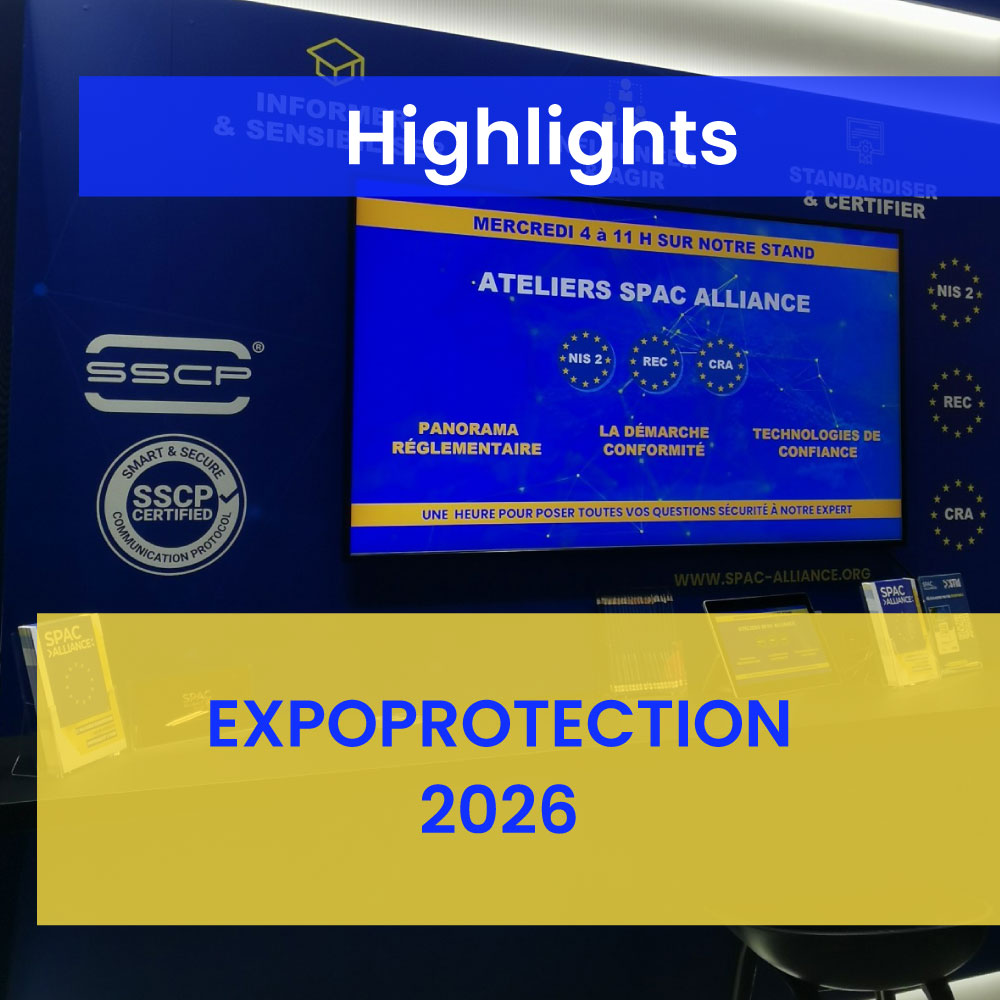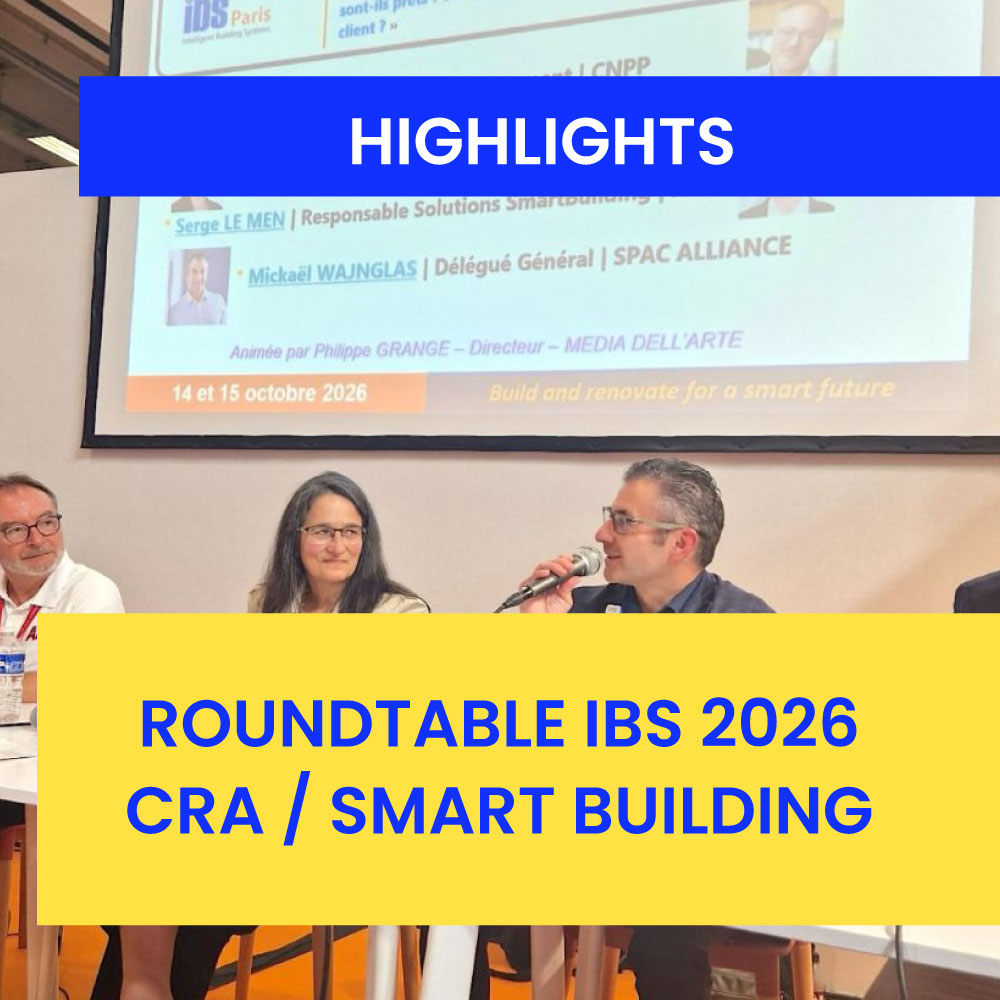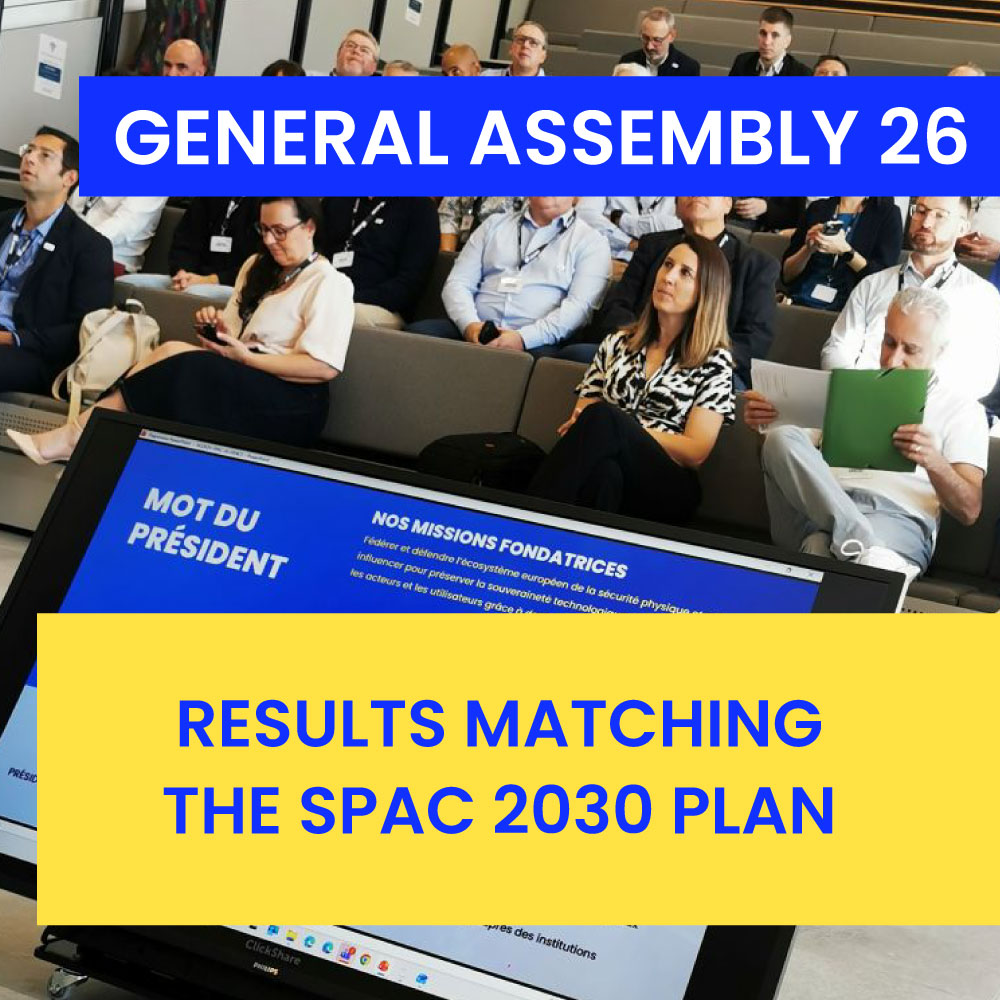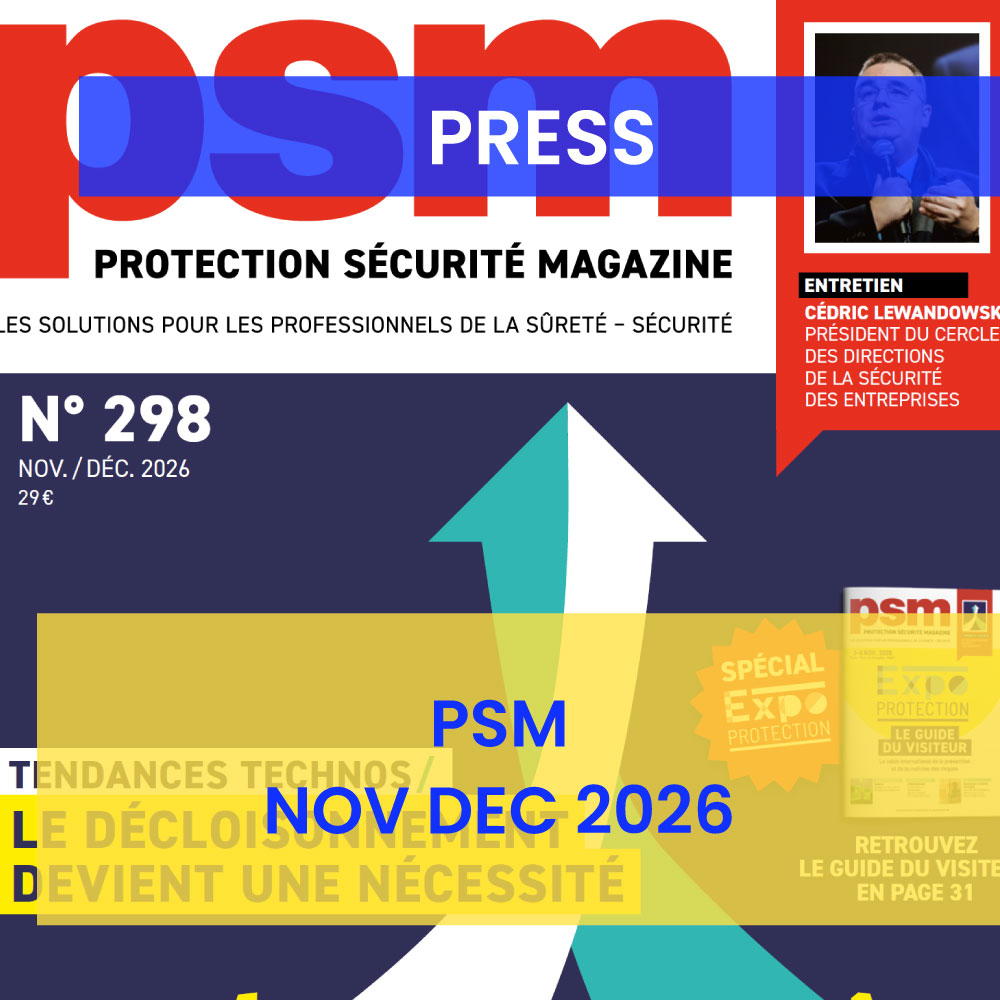
In its November–December 2026 issue, No. 298, Protection Sécurité Magazine highlights a fundamental shift: physical security and cybersecurity must now be addressed together. From breaking down silos between disciplines to modernising access control, discover insights from SPAC Alliance and contributions from its members.
Several features explore these developments:
- Breaking down security silos: bringing disciplines together, sharing information and coordinating responses to threats.
- Cyber threats in access control: securing the entire chain, from credentials to management software.
- Resilience to physical and cyber risks: understanding the implications of NIS2 and the CER Directive for electronic security stakeholders.
- Modernising existing installations: identifying vulnerabilities and planning a phased migration towards secure, adaptable architectures.
Throughout his contributions, Mickaël Wajnglas, Secretary General of SPAC Alliance, highlights the work of its members and the Alliance’s vision: strengthening European sovereignty, supporting the migration of existing installations and promoting open, interoperable technologies. The SSCP protocol illustrates this approach by combining secure communications with control over technology choices.
Modernising access control for the long term
The feature on modernising installations emphasises the importance of an initial assessment, risk prioritisation and phased migration. Several SPAC Alliance members share their expertise in this feature and in the coverage of cyber threats:
- STid, with Alexandre Michel and Tarek Attaf, on credential security, control over cryptographic keys, open architectures and the gradual evolution of readers.
- FDI, with Laurent Gaudry, Didier Poiraud and Maxime Gélin, on consistency across the security chain and the protection of communications.
- Hirsch / TIL Technologies, with Laurent Rouyer, on phased migration, backward compatibility and long-term investment protection.
- CASTEL and SYNCHRONIC, with Yoann Bonnin, on transparency, vulnerability monitoring and customer support throughout the product lifecycle.
- Genetec, with Maxime Legoupil, on the contribution of SaaS to managing obsolescence, complemented by Sibelga’s experience with an open architecture.
- Nedap, with Toufike El Hantlaoui, on developing a migration roadmap that encompasses equipment, organisational factors, skills and maintenance.
- Dény Security, with Tony Martins, on mapping existing installations, maintainability and interoperability.
Connecting systems, bringing expertise together
This discussion extends beyond access control. Onet Sécurité, with Fabienne Pillet, presents an approach combining consultancy, security personnel and electronic security. Hirsch, with Vincent Altes representing Prysm, highlights the role of unified supervision in contextualising alerts and coordinating actions.
Among professional associations, GPMSE, with Patrick Lanzafame, discusses the transformation of security systems into architectures capable of correlating information and supporting decision-making. AniTEC, with Lilian Caule, examines the role of integrators and the need to maintain cybersecurity over time.
Finally, Axis Communications, with Philippe Benard, also stresses the importance of securing networks and matching video equipment to real-world uses.